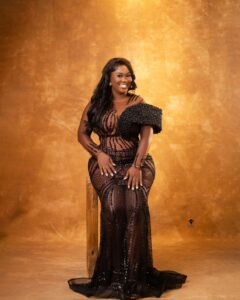
Modern_aesthetics_embracing_lola_jack_redefine_contemporary_wardrobe_staples
- Modern aesthetics embracing lola jack redefine contemporary wardrobe staples
- The Rise of Relaxed Tailoring
- The Importance of Fabric Selection
- Deconstructing the Classics
- Embracing Asymmetry and Unexpected Details
- The Power of Neutral Tones with Strategic Pops
- Color Theory and Wardrobe Integration
- The Influence of Street Style and Individual Expression
- Cultivating a Contemporary Aesthetic for the Long Term
Modern aesthetics embracing lola jack redefine contemporary wardrobe staples
The modern fashion landscape is constantly evolving, with new aesthetics and brands emerging to challenge established norms. Among these, the influence of a particular sensibility – one embracing a certain relaxed confidence and effortless style – is becoming increasingly prominent. This aesthetic often manifests in choices that prioritize comfort without sacrificing sophistication, and it's within this realm that the appeal of pieces inspired by, or directly featuring, the essence of lola jack resonates with a growing audience. It's a movement towards clothing that feels authentic and personal, reflecting an individual’s unique approach to style rather than rigidly adhering to fleeting trends.
This isn't simply about following a trend; it’s about adopting a feeling. The pieces that embody this ethos are characterized by their versatility, often blurring the lines between casual and formal wear. Think relaxed tailoring, unexpected textures, and a color palette that favors muted tones alongside pops of bold, expressive hues. The core of this style revolves around building a wardrobe of foundational pieces that can be mixed and matched, creating a multitude of looks that cater to various occasions. It’s about quality over quantity, and choosing garments that will stand the test of time, both in terms of durability and style. The consideration is on ease and comfort, but elevated with an element of considered design.
The Rise of Relaxed Tailoring
Traditionally, tailoring has been associated with formality and structure. However, contemporary fashion has witnessed a significant shift towards relaxed tailoring, offering a more comfortable and approachable alternative. This trend embraces looser fits, softer fabrics, and deconstructed silhouettes – all while retaining the inherent sophistication that tailoring provides. The result is a look that is both polished and effortless, perfect for navigating the demands of modern life. A well-cut blazer, for instance, can be paired with jeans and a t-shirt for a casual outing, or dressed up with tailored trousers and heels for a more formal event. This versatility is key to the appeal of this style, allowing individuals to create a wardrobe that is adaptable to their changing needs.
The Importance of Fabric Selection
The success of relaxed tailoring hinges heavily on the choice of fabrics. Traditional, heavier wools can feel restrictive and uncomfortable in looser fits. Instead, designers are increasingly opting for lighter-weight materials like linen, cotton blends, and even Tencel. These fabrics drape beautifully, offering a soft and fluid silhouette that complements the relaxed aesthetic. Furthermore, the texture of the fabric plays a crucial role. Subtle textures, such as linen’s natural slubs or the brushed finish of a cotton blend, add depth and visual interest to the overall look. The feel of the fabric against the skin is equally important; opting for breathable and comfortable materials ensures that the garment feels as good as it looks. The correct fabric enhances the overall appearance and wearability of the ensemble.
| Fabric | Characteristics | Suitability for Relaxed Tailoring |
|---|---|---|
| Linen | Breathable, lightweight, textured | Excellent |
| Cotton Blend | Soft, comfortable, versatile | Very Good |
| Tencel | Sustainable, drapeable, smooth | Good |
| Wool (Lightweight) | Classic, durable, warm | Acceptable – choose carefully |
Investing in pieces crafted from high-quality fabrics is crucial for ensuring longevity and maintaining the garment's shape and appearance over time. Proper care, such as dry cleaning or gentle hand washing, will further extend the lifespan of these investments. The conscious approach to material selection reflects a broader trend toward sustainable and ethical fashion practices.
Deconstructing the Classics
Another key element of this aesthetic is the deconstruction of classic wardrobe staples. This involves taking traditional garments and reimagining them with innovative details, unexpected cuts, or unconventional materials. A classic white shirt, for example, might feature oversized cuffs, an asymmetrical hemline, or a subtle pleating detail. A trench coat could be rendered in a lighter-weight fabric or feature a deconstructed collar. The goal is to retain the essential DNA of the garment while adding a contemporary twist that sets it apart. This approach allows for a playful exploration of form and function, resulting in pieces that are both familiar and refreshingly new. It’s about honoring the past while boldly stepping into the future of fashion design.
Embracing Asymmetry and Unexpected Details
Asymmetry is a powerful tool for adding visual interest to any garment. An asymmetrical hemline, a single-button closure, or a slanted pocket can all disrupt the traditional symmetry of a piece, creating a more dynamic and modern look. Similarly, unexpected details like exposed stitching, raw edges, or contrasting linings can add a touch of individuality and sophistication. These subtle nuances can elevate a simple garment from ordinary to extraordinary. The key is to use these details thoughtfully, ensuring that they complement the overall design rather than overwhelming it. A delicate balance between simplicity and complexity will yield the most impactful results. Subtle changes make a statement.
- Experiment with different textures to create visual depth.
- Don't be afraid to play with proportions – oversized silhouettes are trending.
- Accessorize strategically to add personality and individuality.
- Focus on quality craftsmanship and durable materials.
- Prioritize comfort and versatility in your wardrobe choices.
Ultimately, the goal is to create a wardrobe that reflects your personal style and allows you to express yourself confidently. Thoughtful details can make or break a look.
The Power of Neutral Tones with Strategic Pops
While bold colors certainly have their place in fashion, the foundation of this aesthetic often lies in a palette of neutral tones. Colors like beige, cream, gray, and olive green provide a versatile canvas for building a wardrobe, allowing for effortless mixing and matching. These neutral shades are also incredibly flattering, complementing a wide range of skin tones and hair colors. However, to avoid a monotonous look, it’s crucial to introduce strategic pops of color. A vibrant scarf, a brightly colored handbag, or a pair of statement shoes can instantly elevate an outfit, adding a touch of personality and visual interest. The key is to use color intentionally, focusing on a few key pieces that will draw the eye.
Color Theory and Wardrobe Integration
Understanding basic color theory can be invaluable when incorporating pops of color into your wardrobe. Complementary colors, such as blue and orange or red and green, create a striking contrast, while analogous colors, which are located next to each other on the color wheel, offer a more harmonious and subtle palette. Consider your personal coloring when selecting accent colors. Individuals with warm undertones typically look best in warm colors like orange, yellow, and red, while those with cool undertones tend to favor cooler hues like blue, green, and purple. Don’t be afraid to experiment and discover what works best for you. Adding a pop of your favorite colour will elevate any look.
- Start with a neutral base – build your wardrobe around versatile pieces in beige, gray, or navy.
- Identify your personal color palette – determine which colors complement your skin tone and hair color.
- Introduce pops of color through accessories – a scarf, handbag, or shoes are great starting points.
- Consider complementary or analogous color schemes – experiment to find what you like best.
- Don't be afraid to mix and match – have fun and express your personality.
Ultimately, the effective use of color can transform a simple outfit into a statement piece. Thoughtful combination of neutral and bright tones can unlock a vast number of stylish possibilities.
The Influence of Street Style and Individual Expression
The current trend towards refined, yet relaxed, clothing has been heavily influenced by street style and a growing emphasis on individual expression. Social media platforms have played a pivotal role in democratizing fashion, allowing individuals to showcase their personal style to a global audience and inspiring others to experiment with their own looks. This has led to a rejection of rigid fashion rules and a celebration of authenticity. People are no longer afraid to mix high and low fashion, to embrace unconventional combinations, or to challenge traditional gender norms. It's about creating a style that feels genuine and reflects one’s unique personality and lifestyle. The resurgence of vintage and secondhand fashion further reinforces this emphasis on individuality and sustainability.
Cultivating a Contemporary Aesthetic for the Long Term
Moving forward, the aesthetic exemplified by incorporating elements inspired by styles that hint at lola jack isn’t likely to fade. Its fundamental principles – comfort, versatility, and individual expression – are deeply rooted in the evolving needs and desires of today’s consumer. The focus will likely shift towards even greater sustainability, with designers prioritizing ethical sourcing, responsible production practices, and the use of innovative eco-friendly materials. We can also expect to see a continued blurring of the lines between casual and formal wear, as well as a greater emphasis on personalization and customization. This could involve bespoke tailoring services, made-to-order garments, or the use of modular designs that allow individuals to create their own unique looks. The future of fashion is about empowering individuals to express themselves authentically and responsibly.
The evolution of this aesthetic isn't simply about following trends; it’s about curating a wardrobe that aligns with one’s values and lifestyle. By prioritizing quality, versatility, and individual expression, it’s possible to build a timeless collection that will remain stylish and relevant for years to come. The conscious consumer will research brands, understand their supply chains, and invest in pieces that are made to last. This approach not only benefits the environment but also fosters a deeper connection to the clothing we wear, transforming it from a mere commodity into a cherished reflection of our personal style.